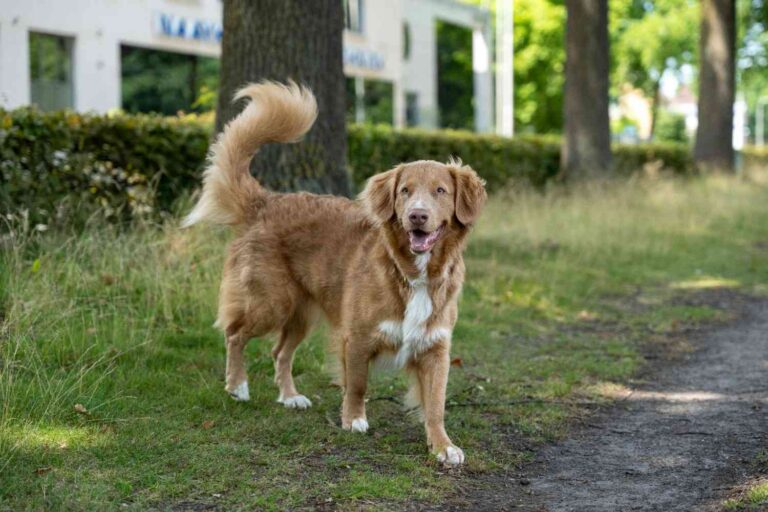
Most pet owners assume a simple formula explains their companion’s aging, but veterinary research reveals a far more layered picture. A dog age calculator accounts for breed, size, and life stages — translating canine years into human years with surprising precision. Understanding your dog’s age reshapes how you approach nutrition, care, and meaningful milestones together.
How old is your pet really?
Discover the human equivalent of your pet’s age using breed science, life stage detection, and beautiful comparison tools.
Experienced practitioners know that calculating a dog’s age isn’t mere math — it reflects DNA changes, growth stages, and behavioral shifts across puppyhood through seniority. Whether your Fido is a spirited puppy or a graying senior, knowing where they stand developmentally helps align exercise, vet visits, and diet choices that genuinely extend vitality and bond.
What Is a Pet Age Calculator?
A Pet age calculator helps translate your canine’s dog years into human years using a refined formula beyond the outdated multiply-by-seven myth. Drawing from a 2020 study at the University of California, San Diego, researchers applied DNA methylation patterns across Labradors, mice, and genes to develop a natural logarithm-based equation for an accurate aging estimate.

Unlike a simple chart, this tool accounts for size, breed, and life stages — recognizing that a 2-year-old adult dog reaches middle age faster than toy breeds age later. Whether tracking milestones, teeth health, diet, or exercise needs from playful puppy to relaxed senior dog, understanding your pup’s true dog age transforms how you provide care.
Dog Years to Human Years Table
| Years of Age | Small Dogs (≤20 lbs) | Medium Dogs (21–50 lbs) | Large Dogs (51–100 lbs) | Giant Dogs (100+ lbs) |
| 3 Months | Around 3 years | Around 3 years | Around 3 years | Around 3 years |
| 6 Months | Around 7 years | Around 7 years | Around 6 years | Around 6 years |
| 1 Year | 15 years | 15 years | 15 years | 12 years |
| 2 Years | 24 years | 24 years | 24 years | 22 years |
| 3 Years | 28 years | 28 years | 28 years | 31 years |
| 4 Years | 32 years | 32 years | 32 years | 38 years |
| 5 Years | 36 years | 36 years | 36 years | 45 years |
| 6 Years | 40 years | 42 years | 45 years | 49 years |
| 7 Years | 44 years | 47 years | 50 years | 56 years |
| 8 Years | 48 years | 51 years | 55 years | 64 years |
| 9 Years | 52 years | 56 years | 61 years | 71 years |
| 10 Years | 56 years | 60 years | 66 years | 79 years |
| 11 Years | 60 years | 65 years | 72 years | 86 years |
| 12 Years | 64 years | 69 years | 77 years | 93 years |
| 13 Years | 68 years | 74 years | 82 years | 100 years |
| 14 Years | 72 years | 78 years | 88 years | 107 years |
| 15 Years | 76 years | 83 years | 93 years | 114 years |
| 16 Years | 80 years | 87 years | 99 years | 121 years |
| 17 Years | 84 years | 96 years | 115 years | 126 years |
| 18 Years | 88 years | 105 years | 131 years | 131 years |
Teeth Health
Most pet owners overlook dental care until damage becomes visible. Dog teeth reveal biological age more reliably than birth date ever could — baby teeth emerge around 8 weeks, with permanent teeth replacing them by 7 months, signaling early developmental milestones.
Between 1-2 years, healthy teeth appear sharp; yellowing and tartar buildup begin around 3-5 years. By 5-10 years, tooth wear accelerates, while 10-15 years brings heavy tartar, duller teeth, and often missing teeth — all demanding consistent vet evaluation.
Coat Color
A dog’s coat color is influenced by genetics and breed, just as size determines lifespan. From golden retrievers’ warm hues to the sleek tones of large dog breeds, pigmentation patterns reflect responsible breeding and ancestral genes — each shade telling a unique biological story.
The 6 Stages of A Dog’s Life
A dog’s journey begins in the puppy phase, where rapidly developing changes define the first half-year. Within 6 months, size, mass, and height shift dramatically. By 2 years old, your companion transitions into a fully recognized adult dog.
The junior adolescent dog phase brings sexual development around 9 months, approaching reproductive maturity by one year old. This single year window — roughly the 6 months-to-puppy overlap — marks profound hormonal shifts that every attentive owner should understand and anticipate carefully.
Puppy
During puppyhood, your dog experiences the most rapid development in its entire life. Within a single year, a puppy transitions through critical life stages, reaching reproductive maturity as early as 6 months. Sexual development begins around 9 months, marking junior adolescent dog behavior. By one year old, most pups approach 12 months of biological readiness.
Junior
By the second year, a dog transitions out of puppyhood into a junior phase — still energetic, yet approaching adult food and structured routines. Vet visits remain critical here, as linear growth continues alongside weight monitoring. Spay or neuter decisions often align with this window, setting the foundation for healthy life stages ahead.
Adult
Mature metabolism shifts noticeably once dogs reach the middle-aged phase, demanding smarter dietary choices. A vet should assess whether low-calorie food suits an obese dog carrying excess weight during this mature stage. From personal observation, adult dogs often mask discomfort beautifully, making routine professional evaluations essential for sustaining long-term vitality and wellness.
Senior
At the geriatric stage, dogs often develop cognitive problems like dog dementia, affecting their daily routines and life expectancy. During this final period, limited mobility restricts movement, making familiar spaces like furniture harder to navigate. Adjusting their exercise schedule prevents strain, especially for dogs covering long distances previously.
Geriatric
As dogs enter the geriatric phase, their vet visits become more critical than ever. Beyond the senior stage, truly aged dogs experience accelerated decline — calories must be carefully managed, often reducing intake by 25% while maintaining a specialized senior diet. Unlike younger years, their healthy weight demands constant monitoring alongside fat regulation and lifespan awareness.
How Long Do Dogs Live
Most small dogs outlive large dogs by several years — a fact that surprises many owners. Small breeds routinely reach 15 years, while large-breed dogs average around 10 years. Factors like genetics, nutrition, weight, and aging joints significantly shape lifespan. Understanding your dog’s life stage helps you intervene meaningfully before senior dog challenges emerge unexpectedly.
Canine longevity isn’t purely biological — mental stimulation, oral hygiene, and monitoring periodontal disease genuinely extend healthy years. Puppies who receive proper adult food after their first birthday develop stronger bones, muscles, and internal organs. Even coat color shifts and gray hair near the muzzle signal aging timelines worth discussing during your next physical exam.
The 15-9-5 rule offers practical clarity: dogs age 15 human years in their first year, 9 years in their second year, then roughly 5 years annually. Studies across species confirm milestones vary by breed and size. Tracking canine years against human years using a dog age calculator transforms abstract aging data into actionable health decisions for your furry friends.
Signs of Aging in Dogs
As dogs move through life stages, subtle shifts begin appearing — gray hair around the muzzle is often the first visual clue owners notice. Genetics and environmental factors both influence how quickly age progression unfolds. Unlike humans, who track aging through wrinkles on foreheads, dogs reveal their years through fur texture and coat color changes that deepen with time.
Teeth tell a quieter story. By age 3, early periodontal disease can begin, and yellow, worn surfaces signal advancing years. Missing teeth in seniors often reflect decades of diet choices and neglected oral hygiene. Experienced owners know that examining a dog’s mouth — beyond just canines and incisors — offers reliable insight into where a dog truly stands within its health timeline.
Milestones like reduced exercise tolerance and shifting weight become more pronounced past 12 years, especially in large-breed dogs. Small breeds like Chihuahua or Pomeranian may remain active longer, while German shepherds and golden retrievers slow noticeably earlier. Tracking these physical stages through a dog age calculator helps owners respond proactively rather than reactively to a dog’s lifespan.
Why Does My Dog’s Age Matter?
Knowing your dog’s age isn’t just a birthday curiosity — it directly shapes every health decision you make. From selecting appropriate pet food to scheduling bloodwork and checkup appointments, vet guidance shifts significantly across life stages. A 15-year-old dog and a young pup require completely different care protocols, even within the same breed.
Your dog’s lifespan trajectory influences vaccination timing — parvovirus, rabies, distemper, and adenovirus schedules are all age-dependent. Senior dogs face elevated risks from toxins like chocolate, caffeine, and antifreeze, while heartworm, flea control, and tick control remain lifelong priorities. Understanding where your dog stands in its life stages helps you stay proactively ahead.
High-energy breeds and low-energy breeds metabolize protein, fats, and carbohydrates differently as they transition from puppyhood through the adult phase into geriatric years. Recognizing signs of aging — cloudy eyes, stiff legs, weight changes — becomes meaningful only when you understand your dog’s true biological age. Early diagnosis and timely treatment of health conditions genuinely extend quality of life.
How To Help Your Dog Live Longer
Most people focus on nutrition and medicine when thinking about life expectancy, but seasoned dog owners know the real equation starts earlier. Watching Labrador retrievers age faster than smaller dog breeds makes one thing undeniable — lifestyle choices made during puppyhood leave permanent biological marks that no supplement can fully reverse.
Injuries and infectious diseases quietly shorten timelines more than owners realize. Keeping extra pounds off a frame reduces joint stress dramatically, something every breeder quietly preaches. A Pomeranian or Chinese crested regularly hitting 18 years old didn’t luck into longevity — deliberate daily 10 to 15 years thinking shaped those outcomes from the start.
Experienced handlers also watch older dog signals — loose skin, bad breath, shifts in sleep changes, and early bladder control inconsistencies. Catching lumps, addressing bowel control changes, and reducing anxiousness through routine directly extend quality years. Dogs showing forgetfulness or confusion benefit most from structured environments that keep joints mobile and minds sharp.
Converting Human Years to Dog Years
Most people assume the old 1 dog year equals seven human years rule is universal, but researchers now challenge this entirely. A dog’s size fundamentally changes the formula. Small dogs reach roughly 24 human years by age two, while large dog breeds accumulate five to six years per calendar year during maturity. Medium dogs fall predictably between these ranges.
What surprises many owners: a 10-year-old medium-sized dog isn’t simply 70 in human years — breed physiology reshapes every calculation. 4 dog years register approximately 32 human years, and by 9 dog years, your companion has crossed 56 human years. These aren’t arbitrary statistics; they reflect how canine metabolism, a dog’s lifespan, and cellular aging genuinely diverge from human time benchmarks.
By 15 dog years, the equivalent reaches 83 human years — a remarkable milestone requiring attentive care. Studies reveal that large dogs accumulate years faster: 11 dog years already reflect 65 human years of biological age. Understanding these conversions through an age chart allows owners to anticipate health transitions accurately, ensuring timely veterinary support rather than reacting after visible decline has already appeared.
Popular Dog Age Conversions (Simplified Guide)

Here are some commonly searched dog-to-human age conversions based on medium-sized dogs. Keep in mind, the exact age can vary depending on your dog’s breed and size.
Dog Years → Human Years
- 2 dog years ≈ 24 human years
- 3 dog years ≈ 28 human years
- 4 dog years ≈ 32 human years
- 5 dog years ≈ 36 human years
- 6 dog years ≈ 41 human years
- 7 dog years ≈ 46 human years
- 9 dog years ≈ 56 human years
- 11 dog years ≈ 65 human years
- 12 dog years ≈ 69 human years
- 15 dog years ≈ 83 human years
- 16 dog years ≈ 87 human years
- 18 dog years ≈ 96 human years
- 20 dog years ≈ 105 human years
Human Years → Dog Years
- 6 human years ≈ 0.5 dog years
- 9 human years ≈ 0.7 dog years
- 10 human years ≈ 0.8 dog years
- 13–14 human years ≈ 1 dog year
- 16 human years ≈ 1.2 dog years
- 17 human years ≈ 1.3 dog years
- 18 human years ≈ 1.4 dog years
Did You Know?
Most people assume pet years follow one rigid rule, but that thinking overlooks everything science knows about dogs, cats, and how aging actually works. A spaniel matures differently from a Lab, which means even furry friends of the same breed size rarely age at identical rates. Understanding species-specific calculations changes how we approach care.
Researchers discovered that mapping a pet’s age into human terms requires far more than simple math. True empathy for aging animals starts when owners stop guessing and start calculating — because a dog entering its seventh year isn’t just “getting old“; it’s biologically entering a distinct life phase that demands adjusted attention and proactive wellness choices.
Interestingly, the way species experience time varies dramatically. By understanding accurate pet years, owners gain a sharper sense of where their companion actually stands in life. That awareness — built through honest calculations — reshapes feeding, exercise, and veterinary decisions in ways that meaningfully extend both quality and length of a beloved animal’s life.
FAQ’s
What Are the Main Features and Benefits?
A pet age calculator removes guesswork entirely. Rather than defaulting to outdated multiply-by-seven logic, modern tools factor in a pet’s size, breed, and even coat color, influenced by genetic factors. From tracking puppyhood through geriatric phases, these calculators map life stages with precision that a simple formula simply cannot deliver independently.
The accuracy surprises most users. A 7-year-old cat isn’t experiencing 44 human years casually — that conversion carries real health implications. Similarly, knowing a dog at age 10 reflects closer to a half-century of human aging, which helps owners schedule oral hygiene checks, monitor adult teeth, and adjust diet before visible decline appears.
Beyond numbers, these tools genuinely guide decisions. Whether scheduling a birthday checkup, switching from puppy chow to adult food, or recognizing that pacing and barking signal aging stress, the calculator bridges data and care. Small dogs and large dogs age differently — understanding that distinction is what separates reactive ownership from truly informed, proactive pet care.
How Do I Calculate My Dog’s Age in Human Years?
The old belief that 1 human year equals 7 years for dogs is surprisingly flawed. Calculating dog years demands nuance, especially for medium dogs. A dog age calculator reveals that pups age rapidly in early life — simply choosing to multiply by seven misrepresents a canine’s true biological life stage entirely.
Science employs e (2.718) within a logarithmic formula alongside 0.5625 to estimate a dog’s human age with precision. A 7-year-old dog aligns with a 44-year-old human, not 49. This chart-based method dismantled the flat mid-20th-century myth, fundamentally changing how species interpret human-to-dog years across veterinary communities worldwide.
Breed size matters enormously. Pooches of smaller breeds mature more slowly past their first birthday, while litter-mates of giant breeds show senior traits by age 10. Tracking a dog’s age through canine years, considering weight, the first two years, and life stages like puberty, helps owners make informed health decisions every year.
Is 1 Human Year 7 Years for a Dog?
The claim that one year equals seven years for a dog isn’t accurate. Unlike feline aging, a dog’s age in human years varies by size and breed. By the first year, a puppy reaches mature adult status, equivalent to roughly 15 human years, exposing the flat ratio as scientifically oversimplified.
The second year adds roughly nine human years, not seven. By 5 years old, a medium dog mirrors someone in their mid-30s, and by 6 years old, visible signs emerge. Around 8 years old, dogs grow noticeably less active. The adult phase is where the seven-year myth breaks most clearly.
The myth traces back to 1268, tied to the Cosmati Pavement at Westminster Abbey, comparing human time to cosmic cycles. Early estimates actually factored men, horses, and stags. Supporting canine health today means healthy food, vitamins, minerals, and intestinal parasite control — all far more practical than any outdated seven-year formula.
How Old Is 7 in Cat Years to Human Years?
Seven in cat years carries more weight than most people assume. Based on the standard conversion model, a 7-year-old cat sits somewhere between 44 and 45 human years — firmly in middle age. By this point, indoor cats have typically cleared their high-energy phase. Feline maturity arrives fast, compressing what humans experience across decades into just a few short feline years.
Aging in cats doesn’t follow a flat ratio. The first year of a cat’s life mirrors roughly 15 human years of development, while the second year adds around nine more. After that, each additional year equals approximately four human years. This non-linear age curve explains why senior cats at 7 behave differently than kittens — their biology has already experienced a full arc of early life stages.
Understanding your cat’s age in human equivalent terms helps you make smarter health decisions. At 7 cat years old, veterinary attention shifts toward preventive care — joint checks, weight monitoring, and dental evaluations matter more now. The American feline age chart treats 7 as a crossroads. My own cat reached this stage, showing subtle slowdowns that only age conversion context helped me recognize as normal transition signs.